

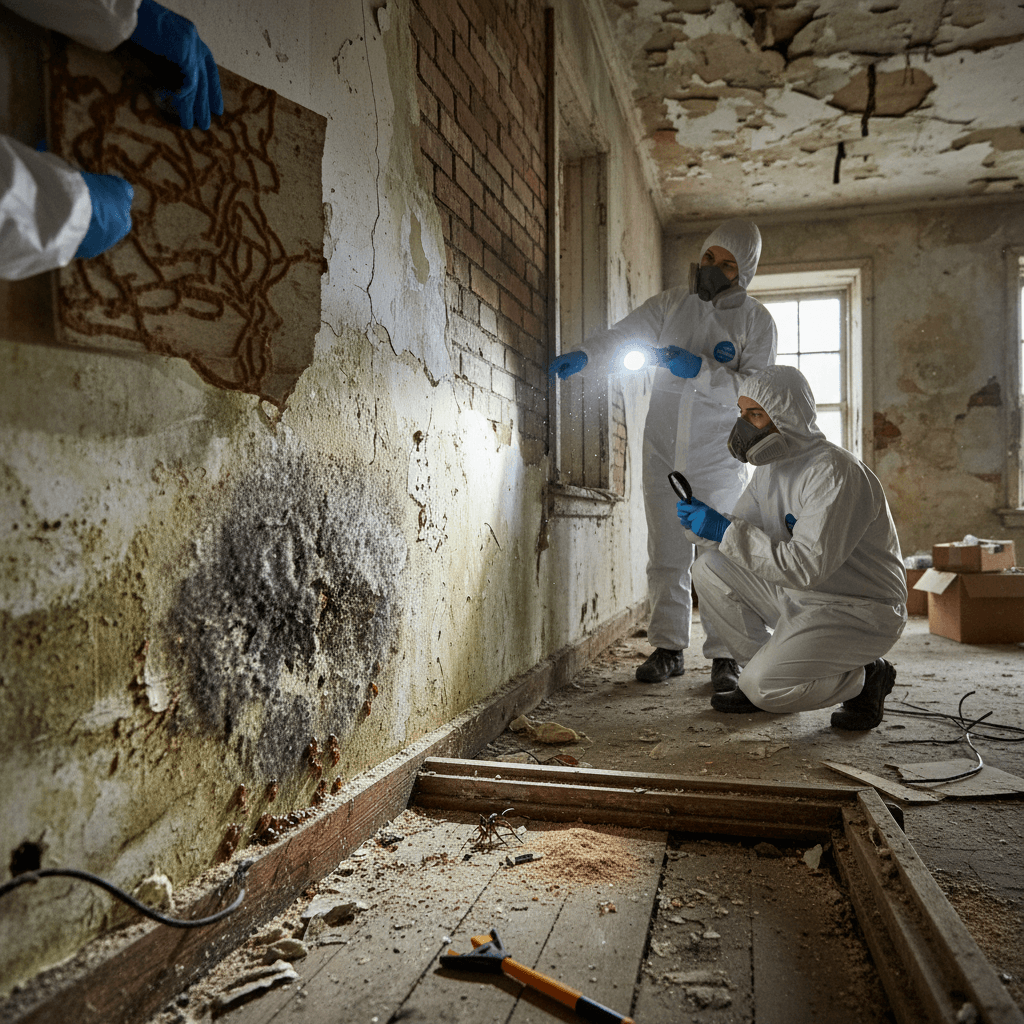
Recognizing the early signs of a pest infestation is one of the most important steps to protect any building. I have seen how quickly a small pest problem can turn into a serious issue, damaging property and affecting health. Ignoring suspicious activity or minor signs can lead to costly repairs and extensive treatment later on. Many people often miss the subtle clues that pests leave behind until the problem becomes obvious and harder to manage.
Understanding what to look for can make a huge difference. From tiny insects to larger rodents, each pest leaves its unique signature. My goal is to help you become more observant of these indicators, empowering you to act fast. Early detection is not just about convenience it is about maintaining a safe and healthy living or working environment for everyone inside.
We often think infestations happen only in old or dirty buildings, but this is a common misconception. Pests are opportunistic and will find their way into any structure that offers food, water, or shelter. So keeping an eye out is a constant effort for all property owners and residents.
Recognizing Rodent Infestations in Your Property
Rodents such as rats and mice are among the most common and troublesome pests found in buildings. They are expert at staying hidden, so you might not see the creatures themselves right away. But they always leave behind clear evidence of their presence. I always tell people to look for these signs first, especially in undisturbed areas like basements, attics, and inside wall voids.
One of the easiest ways to spot rodents is by finding their droppings. Mouse droppings are small and pellet-like, similar to rice grains. Rat droppings are larger, shaped like capsules, and often found in clusters. You might see these near food sources, along walls, or in cupboards. These droppings are a strong indicator of active rodent populations and should prompt immediate investigation.
Telltale Signs of Rats and Mice
Beyond droppings, gnaw marks are another significant sign. Rodents constantly gnaw to keep their teeth from growing too long. They chew on almost anything, including wood, plastic, electrical wires, and even pipes. You might find these marks on furniture, food packaging, or structural elements like door frames and baseboards. Damaged electrical wires pose a fire hazard so this is a serious concern.
Nests are another clear sign. Rodents build nests out of shredded materials like fabric, paper, and insulation. You might find these nests in dark, secluded spots such as behind appliances, in cluttered storage areas, or in wall cavities. When I inspect properties, I often look for these hidden nests, as they indicate where the rodents are living and breeding. We also listen for scratching or scurrying sounds in the walls or ceilings, especially at night when rodents are most active. A stale, musty smell in certain areas can also point to a hidden infestation.
Spotting Common Insect Pests Such as Cockroaches
Cockroaches are resilient and can adapt to almost any environment. They are a sign of unsanitary conditions to many, but even clean homes can suffer from a cockroach problem. These pests are nocturnal so you usually do not see them during the day. This means you need to look for other clues to confirm an infestation. Understanding their habits helps us pinpoint their hiding spots.
The most obvious sign of cockroaches is seeing them scurrying when you turn on a light in a dark room. This often happens in kitchens or bathrooms. You might also find their droppings, which look like small black specks, similar to coffee grounds or black pepper. These droppings are typically found in areas where roaches gather, like inside cabinets, drawers, or behind appliances.
Where Cockroaches Hide and What to Look For
Another strong indicator is the presence of egg casings, called oothecae. These are small, dark, oblong capsules that cockroaches lay to protect their eggs. Finding these suggests that cockroaches are actively breeding within the building. These casings can be glued to surfaces in hidden crevices or dropped in damp, dark locations. A distinct, oily, or musty odor is also a common sign of a large cockroach population. This smell often becomes stronger as the infestation grows, making it noticeable in affected rooms.
We often check warm, humid places first when looking for cockroaches. They love areas under sinks, behind refrigerators, and inside pantry cabinets. Any crack or crevice provides a perfect hiding spot for them during the day. Look for shed skins too. Cockroaches shed their exoskeletons as they grow, so finding these papery remnants can confirm their presence. These signs tell me exactly what kind of insect problem we are facing.
Dealing with Ant Invasions and Their Trails
Ants might seem harmless in small numbers, but a full-blown ant invasion can be quite annoying and difficult to control. They enter buildings looking for food, water, and shelter, especially during certain times of the year or after heavy rains. I have seen them march in impressive numbers when they find a good source of food. Knowing how to identify their activity helps you stop them before they take over.
The most obvious sign of ants is seeing live ants. You might notice a few scouts at first, exploring surfaces for food. If these scouts find something, they will quickly lay down a pheromone trail to guide others to the source. This creates the clear ant trails we often see. These trails lead from their nest to a food source and back, forming a visible line of insects moving purposefully.
Paths and Colonies of Persistent Ants
I always look for these trails along baseboards, countertops, windowsills, and other common entry points. Different types of ants might behave differently. For example, pavement ants often nest outdoors but come inside, while carpenter ants tunnel into wood. Carpenter ants leave behind sawdust-like material called frass, which is a key sign of their presence. Other ants, like odorous house ants, emit a rotten coconut smell when crushed, which is a clear indicator.
Finding an ant colony itself is rare inside a building, as they prefer hidden spots like wall voids, under floors, or in damp wood. However, if you see a large concentration of ants consistently entering or exiting a small crack or hole, it is highly likely you have located an entry point close to a nest. Identifying the type of ant is also important because it helps determine the best treatment method. Sugar ants, for example, respond differently to baits than protein-seeking ants. Observing their behavior can give us valuable insights into how to effectively manage their presence.
Identifying Termite Damage and Activity Early
Termites are often called silent destroyers because they can cause significant damage to a building’s structure without being noticed for years. I have witnessed homes needing extensive repairs because a termite problem went undetected for too long. They feed on cellulose material, which means wood, paper, and fabrics are all at risk. Knowing the subtle signs of their activity can save you from a structural nightmare.
One of the most recognizable signs of subterranean termites is the presence of mud tubes. These tubes are about the width of a pencil and are usually found on foundations, walls, or floor joists. Termites build these tunnels to protect themselves from predators and dry air as they travel between their underground nest and their food source in your building. Finding these tubes is a strong indicator of an active termite infestation.
Subtle Indicators of Destructive Termites
Another key sign is damaged wood. Termites eat wood from the inside out, leaving a thin veneer of wood or paint on the surface. When you tap on an infested area, it might sound hollow. You might also notice blisters in wooden flooring or walls, which are signs of tunnels beneath the surface. I also look for discarded wings. Swarmer termites, which are reproductive termites, fly out of their nests to establish new colonies. After they mate, they shed their wings, leaving behind small piles of translucent wings near windowsills, doorways, or spiderwebs. These discarded wings often look like tiny fish scales.
Drywood termites leave small, six-sided fecal pellets called frass. These pellets are often pushed out of tiny kick-out holes in infested wood and collect in small piles. The color of the frass can match the color of the wood they are eating. If you suspect termites, it is important to act quickly because these pests can severely weaken a building’s integrity over time. The longer they remain, the greater the damage they can inflict on your property.
Signs of Bed Bugs and Their Bites
Bed bugs are tiny, blood-feeding insects that cause a great deal of discomfort and stress. They are notorious for hitchhiking on luggage, clothing, and furniture, spreading easily from one place to another. Many people first realize they have bed bugs because of itchy bites. These bites often appear in lines or clusters on exposed skin, typically on the arms, neck, and shoulders, but they can be anywhere. I always explain that while bites are a common sign, they are not enough to confirm an infestation because other insects can cause similar reactions.
To confirm bed bugs, you need to find physical evidence of the bugs themselves or their traces. Adult bed bugs are about the size and shape of an apple seed, reddish-brown, and flattened. After a blood meal, they become more swollen and reddish. Young bed bugs, called nymphs, are smaller and translucent. Their eggs are tiny, pearl-white, and usually found in clusters in crevices.
Small Pests Making a Big Impact on Sleep
I always recommend checking your mattress, especially along the seams, tags, and piping. Also check the bed frame, headboard, and nearby furniture. Look for small, dark reddish-brown spots on your sheets or mattress. These are bed bug fecal stains, which are digested blood. You might also find shed skins, which are the exoskeletons left behind as bed bugs grow from nymphs to adults. These are often found in the same areas as the fecal stains.
In cases of heavy infestations, a sweet musty odor might be present. This smell comes from the bed bugs’ scent glands. It can be subtle at first but becomes more noticeable as the population grows. If you find these signs, it is important to address the problem immediately. Bed bugs reproduce quickly and can be very difficult to get rid of without professional help. They are tenacious pests that thrive on human blood.
Understanding Mosquito Breeding Grounds
Mosquitoes are more than just annoying; they can transmit serious diseases. Identifying and eliminating their breeding grounds around buildings is crucial for controlling their population. These insects need standing water to complete their life cycle. So, understanding where water collects is key to preventing mosquito problems. Even a small amount of water can become a nursery for thousands of mosquitoes. I often find that people overlook common areas where water can accumulate.
The most obvious sign of mosquitoes is their presence, especially buzzing around you and leaving itchy bites. However, to truly tackle an infestation, we need to find their source. Look for standing water in and around your property. This includes clogged gutters, old tires, bird baths, neglected swimming pools, pet water bowls, and even plant pot saucers. Any container that holds water for more than a few days can become a breeding site. Mosquitoes can complete their life cycle from egg to adult in as little as 7-10 days, so consistent monitoring is very important.
Preventing Mosquito Issues Around Your Building
If you look closely at standing water, you might see mosquito larvae or pupae. Larvae are tiny, worm-like creatures that wriggle in the water just below the surface. They are often called “wigglers.” Pupae are comma-shaped and also move in the water. Seeing these means you have an active breeding ground. Regularly emptying and cleaning containers that hold water is an effective way to break their life cycle. We also recommend making sure screens on windows and doors are in good repair to prevent adult mosquitoes from entering the building.
Managing vegetation around the property helps too. Tall grass and dense shrubs provide resting spots for adult mosquitoes. Keeping lawns mowed and bushes trimmed reduces these resting areas. Using insect repellent is a temporary solution for personal protection. But long-term control relies on managing their breeding habitats. This proactive approach helps reduce both the nuisance and the health risks associated with mosquitoes. When I find these issues, I know a more thorough cleanup of outdoor areas is needed.
The Importance of Professional Assistance for Building Infestations
While identifying infestations is a great first step, resolving them often requires specialized knowledge and tools. Many homeowners attempt DIY pest control methods, but these are often temporary fixes that do not address the root cause of the problem. I have seen countless cases where a professional intervention was needed after multiple failed attempts by property owners. Our experience tells us that complete eradication often depends on a precise understanding of pest behavior and biology.
Professional pest control services bring expertise in identifying the specific pest species and understanding their life cycles. This allows for targeted treatments that are much more effective than general sprays. We also have access to advanced products and equipment not available to the public. These tools can reach hidden areas and provide long-lasting protection. Furthermore, professionals understand the importance of safety. They use products in a way that minimizes risk to people, pets, and the environment, which is a major concern for us.
A professional service offers more than just treatment. We provide advice on prevention strategies, such as sealing entry points and improving sanitation practices. This helps to prevent future infestations. They also offer follow-up services to ensure the pests are completely gone and do not return. For anyone looking for Recommended pest control services in Puchong by The Pest Advice, choosing a reputable company ensures thorough and lasting results. This kind of investment protects your property and your peace of mind.
Taking Proactive Steps to Protect Your Building from Pests
Identifying common infestations in buildings is a crucial skill for any property owner or manager. We have explored the key signs of rodents, cockroaches, ants, termites, bed bugs, and mosquitoes. Remember that droppings, gnaw marks, nests, mud tubes, shed skins, and actual pest sightings are all important clues. Paying close attention to these indicators allows you to catch problems early, before they escalate into serious threats to your health and home structure. I cannot stress enough the value of regular inspections and vigilance.
Protecting your building means more than just reacting to pests; it means being proactive. Regularly clean your home, seal cracks and crevices in foundations and walls, and eliminate sources of standing water. Keep food in airtight containers and manage garbage properly. These simple habits significantly reduce the attractiveness of your property to pests. Small changes can lead to big results in pest prevention. Making your home less hospitable to pests is always the best defense.
If you suspect an infestation, or if the problem feels too big to handle on your own, do not hesitate to contact a professional pest control service. Their expertise and specialized tools can provide an effective and lasting solution. Taking swift and decisive action saves you stress, money, and potential health hazards in the long run. Stay informed and stay vigilant to keep your building safe and pest-free.