

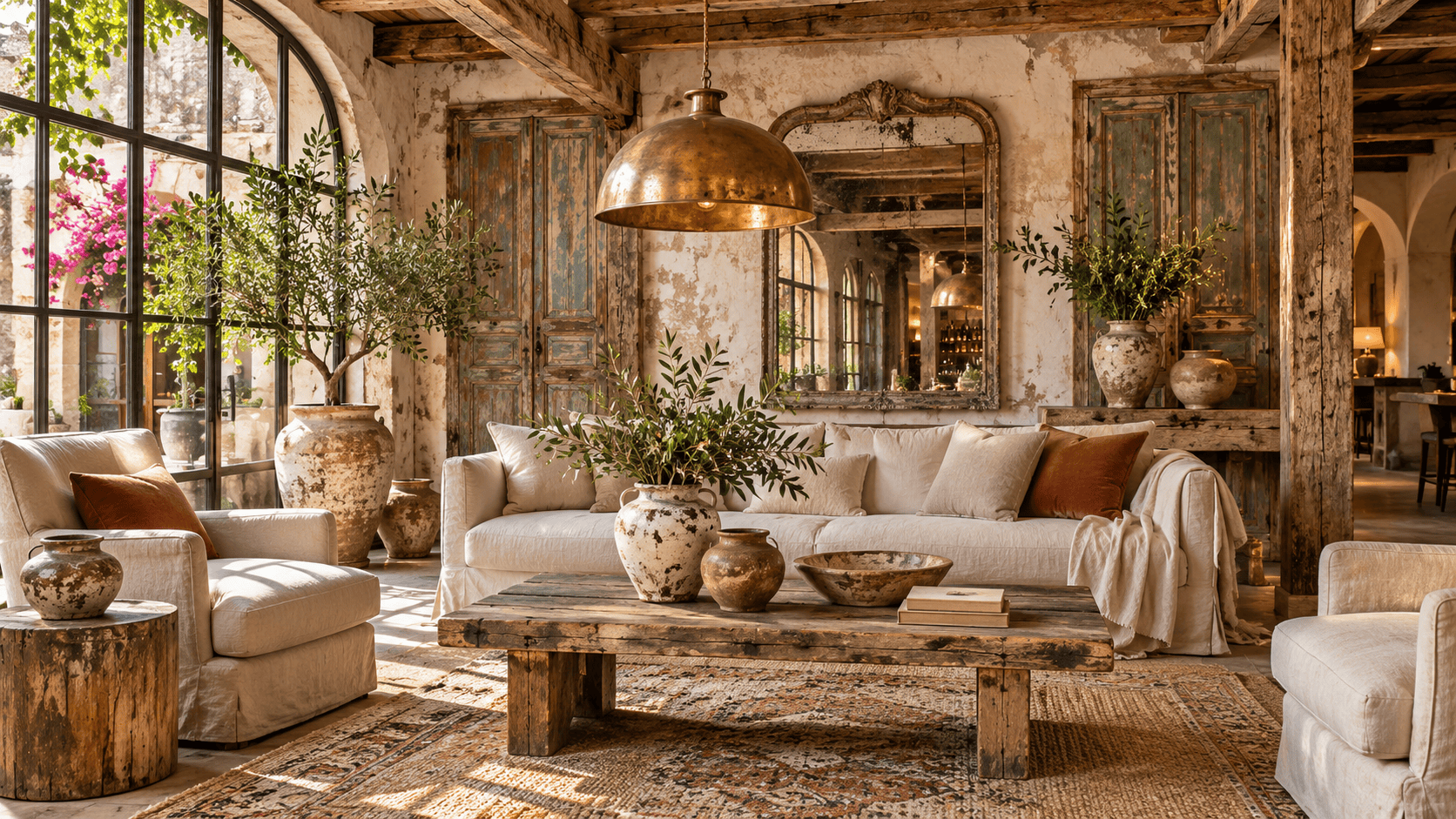
I have stayed in a lot of boutique hotels over the years, and the rooms I remember are rarely the priciest ones. They are the rooms with an old door turned into a headboard or a factory light hanging over the desk. Those details feel earned because they carry a past.
That is why I keep coming back to salvaged style lessons worth stealing from boutique hotels. Designers in that space have spent years learning how to make reclaimed pieces look polished and uncluttered. Their methods are simple enough to copy at home on a modest budget.
I have tried most of these ideas in my own spaces, from a church pew bench in the living room to a salvaged door headboard in a rental bedroom. They work with any budget and any style of home. Along the way I made a few mistakes with measuring and old paint, and those taught me as much as the successes did.
Why Boutique Hotels Teach Salvaged Style So Well
Boutique hotels sell an experience. Guests remember how a room felt long after checkout, and salvaged materials help create that feeling. A reclaimed beam or a worn brass fixture tells a story that brand new items cannot copy quickly. Because each piece has its own history, no two rooms end up exactly alike, and that is part of the appeal.
I noticed early on that the hotels doing this well follow a pattern. They pick a few old pieces and give each one room to breathe. The rest of the space stays calm and simple. That restraint makes the old items look chosen, and it keeps the room from feeling like a junk shop. I try to copy that balance every time I shop.
If you want a structured place to start, you can dive into this page, which describes decorating with salvage and shares lessons drawn from boutique hotels. It can be a helpful starting point for beginners who like to see ideas laid out in order. I found that reading a framework first made my own shopping trips more focused. The first idea I applied at home was the hero piece, so that is where I begin next.
Build Each Room Around One Statement Salvage Piece
Every good hotel lobby has one thing that stops you. It might be a wall of old shutters or a long table cut from a barn floor. I treat that as the first rule of salvaged style. Choose one hero piece per room and build everything else around it, because a single strong item gives the eye somewhere to rest and gives you a clear guide for every other purchase.
Pick the Piece That Anchors the Room
Size matters here. A small salvaged item gets lost, but a large one sets the tone. In my living room I used an old church pew as a bench, and everything else followed its warm wood tone. Look for pieces with strong shape, like arched windows, iron gates or thick timber. Keep the rest of the room quieter, with plain walls and simple fabrics, so the piece can take center stage.
Place It Where Eyes Land First
Hotels put their best salvage on sightlines. Think of the wall facing the door or the space above a bed. I hung a reclaimed mirror frame in my hallway for this reason, and guests notice it right away. Leave a little empty wall around it so it reads as intentional. Once the hero piece is placed, texture is the next layer to add.
Layer Texture the Way Hotel Designers Do
Salvage often looks rough, and hotels balance that roughness with softness. A scuffed oak table feels right next to a linen runner or a wool throw. I use this contrast in almost every room I style, because it keeps old pieces from feeling heavy. Try a simple formula. Pair one rough surface with one smooth surface and one soft surface. The mix keeps the eye moving and stops a room from feeling like a warehouse, and these are the groups I draw from.
- Rough surfaces such as reclaimed wood, exposed brick or galvanized metal
- Smooth surfaces such as glass, polished brass or glazed ceramic
- Soft surfaces such as linen, wool, velvet or worn leather
I tested this in a rental bedroom where I mounted a salvaged door as a headboard. The door alone looked heavy and a little bare. Adding a velvet cushion and a ceramic lamp made it look like a design choice. Keep your colors tight as well, because two or three tones that repeat across materials tie everything together without much effort.
Mix Eras and Finishes for a Collected Look
Boutique hotels rarely match everything. A mid century chair might sit near a Victorian mirror and a modern sofa, and somehow it works. The trick is a shared thread such as color, shape or finish. Color is the easiest thread to start with because paint and fabric are cheap to change. Finish is the hardest to spot, so I look at metal, wood tone and glaze before I buy anything.
I pick one thread per room. In my kitchen it is black metal. The stools, the shelf brackets and a salvaged factory pendant all share that finish. The eras differ but the finish repeats, so the space feels settled. Odd numbers help too, because groups of three or five objects look arranged while pairs can feel stiff.
A trio made of an old bottle, a brass bowl and a carved box on a shelf reads as a small display. Edit often as well. If something does not earn its spot, I move it to another room or let it go. Hotels rotate pieces on a regular basis, and the habit keeps a home feeling fresh. A quick walk through the room each month helps me see which pieces still belong.
Choose Lighting and Hardware That Carry Character
Lighting is where hotels get the most mileage from salvage. Old schoolhouse lamps, ship lights and industrial shades give a room instant history. They are also easy to rewire when a licensed electrician handles the work, which I always recommend for safety. One good fixture over a bed or a table can set the mood for the whole room.
Choose Fixtures With Honest Wear
Look for patina that feels natural. Light rust, soft tarnish and chipped paint add depth. Heavy corrosion near wiring is a different matter, so I leave those pieces on the shelf at the shop. I also check that the shade or glass is intact, since replacements for old parts can be hard to find.
Small Hardware Makes a Big Difference
Door knobs, drawer pulls and hooks from old buildings cost very little. I swapped the pulls on a plain dresser for glass and brass ones, and the whole piece changed. Hotels do this constantly because hardware gets touched every day and shapes a guest’s first impression. Start with one piece of furniture and see how it feels. After that, I start hunting for the next pieces.
Source Salvage Smartly on a Modest Budget
You can borrow this look without a designer budget. Most of the pieces hotels use began life in a barn, a school or a demolished building. Those same sources are open to anyone who has a little patience. I set aside a Saturday morning each month to browse, and the slow pace has led me to better finds.
Where I Look First
- Architectural salvage yards for doors, windows and fixtures
- Estate sales for furniture with real age and good bones
- Demolition and renovation sales for timber, tile and hardware
- Flea markets and local online listings for small decor and lighting
What I Check Before Buying
Measure your space and the piece before you pay. I carry a tape measure in my car for this reason. Check wood for pests and soft spots, and test hinges and joints for strength. A wobbly chair or a sagging shelf costs more to fix than it saves. Older painted items may contain lead paint, so I seal or strip them with proper protection and follow local guidance. A careful look at the shop saves time later at home. I also ask the seller about the piece’s origin, since a good story makes the item more fun to own.
Bring Salvaged Style Home With Confidence
Boutique hotels show that salvaged style works best when it is edited and intentional. One strong anchor piece, a mix of textures, a shared finish and thoughtful lighting can turn a plain room into one with a story. All of it works on a small budget with a clear eye and a willingness to start small. I still adjust my own rooms every season, and that steady tweaking is half the fun.
I suggest picking one room and one idea this week. Maybe that means swapping drawer pulls or hanging a reclaimed frame in the hallway. Measure the space, set a small budget and visit a local salvage yard or estate sale on the weekend. Bring home one piece and live with it for a few days before you add another. That pause tells you whether the piece really suits the room.
Take notes on what you like about the hotels you visit and the photos you save. Those notes become your own shopping list. Once the first piece is in place, the next choice gets easier. Your home then begins to feel warm and entirely yours, so start today and let the first find set the direction.